Ultimate Guide for Choosing High-Quality and Sustainable Clothing
Discover how to choose high-quality, affordable, and sustainable clothing. Learn about fabrics, fit, ethical brands, and smart shopping tips in this complete fashion guide.
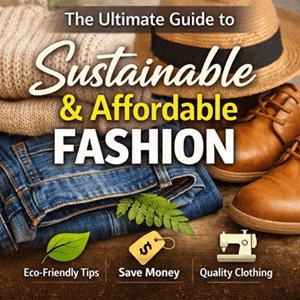
Buying clothes today isn’t just about style. It’s about quality, comfort, durability, and making smarter decisions for your wallet and the planet.
Fast fashion has made clothing cheaper and more accessible than ever. But it has also raised questions about sustainability, fabric quality, and ethical production. If you want clothes that look good, last longer, and offer real value, this guide will help you make better choices.
Let’s break it down step by step.
Why Clothing Quality Matters More Than Ever
Clothing is an everyday essential. Poor-quality garments may look attractive at first but often fade, stretch, or tear after just a few washes. Investing in better materials saves money long-term because you won’t need frequent replacements.
High-quality clothing offers:
- Longer durability
- Better comfort
- Improved fit over time
- Reduced environmental waste
When you focus on quality instead of quantity, your wardrobe becomes more practical and sustainable.
Understanding Different Clothing Materials
Fabric plays the biggest role in how clothing feels, fits, and lasts. Here are some quick breakdowns of common materials that can be used:
1. Cotton
Cotton is soft, breathable, and best for everyday wear during summer. Organic cotton is a better sustainable option because it uses fewer chemicals during production.
2. Linen
Linen is a lightweight and highly breathable material. It is also very suitable for warm climates. It wrinkles easily but becomes softer with every wash.
3. Wool
Wool provides insulation and durability. Merino wool is softer and suitable for layering.
4. Polyester
Polyesters are affordable and wrinkle-resistant but less breathable. Polyesters can be recycled and used for more eco-friendly alternative wear.
5. Blended Fabrics
Blends combine durability and comfort but may not always be recyclable. Make sure you check the label to understand what you’re buying. Always, select the right fabric depending on your climate, lifestyle, and intended use for comfortable wear.
How to Identify High-Quality Clothing
Before purchasing any item, check these factors:
✔ Stitching and Seams
Even stitching and reinforced seams indicate good construction.
✔ Fabric Weight
Heavier fabrics often last longer. Thin material may be worn out quickly.
✔ Fit and Structure
Good clothing maintains its shape after multiple washes.
✔ Care Instructions
If an item requires extremely delicate care, consider whether it suits your routine.
Paying attention to these details can prevent impulse purchases that don’t last.
Sustainable Clothing: Why It Matters
The fashion industry contributes significantly to global waste and pollution. Sustainable clothing focuses on reducing environmental impact through:
- Eco-friendly materials
- Ethical labor practices
- Lower water usage
- Reduced carbon emissions
Buying fewer but better-quality pieces is one of the simplest ways to support sustainability.
Smart Tips for Affordable Fashion Without Sacrificing Quality
You don’t need a luxury budget to build a strong wardrobe. Here’s how:
1. Build a Capsule Wardrobe
Choose different pieces that mix and match easily.
2. Buy Off-Season
Summer clothes are cheaper in winter, and winter clothes are cheaper in summer.
3. Read Reviews
Customer feedback often reveals durability and sizing issues.
4. Focus on Timeless Styles
Trendy pieces fade quickly. Classic styles last longer.
5. Consider Cost Per Wear
A $40 jacket worn 100 times is cheaper than a $20 jacket worn twice.
Smart shopping saves money and reduces waste.
Ethical Fashion Brands: What to Look For
When researching brands, look for transparency about:
- Manufacturing locations
- Worker wages and safety
- Sustainable sourcing
- Environmental commitments
Brands that openly share their production process are usually more trustworthy.
Final Thoughts: Choose Better, Wear Longer
Clothing should support your lifestyle, reflect your personality, and last beyond one season. By understanding fabrics, checking quality, and supporting ethical practices, you create a wardrobe that is both stylish and responsible.
Instead of buying more, buy smarter.
Fashion doesn’t have to cost the planet — or your savings.
Community Discussion
Join the conversation and share your perspective with other readers
Community Comments
No Comments Yet
Start the conversation! Be the first to share your thoughts on this article.