Content Strategy Template for Small Businesses: A Complete Guide to Growing Online
Discover the ultimate content strategy template for small businesses. Learn how to plan, create, and optimize content that increases traffic, leads, and sales with this SEO-friendly guide.
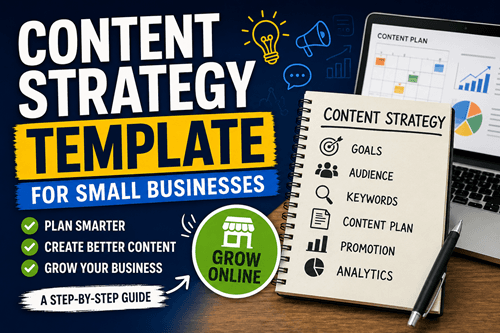
In today’s digital world, creating random posts and blog articles is no longer enough. Small businesses need a clear and organized content strategy to attract customers, build trust, and increase sales online. A strong content strategy helps businesses publish the right content for the right audience at the right time.
Whether you run a local business, an online store, a digital agency, or a startup, having a structured content plan can help you compete with larger brands without spending huge amounts on advertising.
This guide explains a complete content strategy template for small businesses that is practical, easy to follow, and designed for long-term growth.
What Is a Content Strategy?
A content strategy is a detailed plan for creating, publishing, managing, and promoting content to achieve business goals.
The main purpose of content strategy is to:
- Increase website traffic
- Improve search engine rankings
- Generate leads and sales
- Build brand authority
- Grow social media presence
- Educate potential customers
- Improve customer trust
Content can include:
- Blog posts
- Videos
- Social media posts
- Emails
- Infographics
- Case studies
- Landing pages
- Podcasts
Without a strategy, businesses often waste time creating content that does not produce results.
Why Small Businesses Need a Content Strategy
Many small businesses focus only on selling products or services. However, modern customers first search online for information before making decisions.
A good content strategy helps businesses:
Build Trust With Customers
Helpful content positions your business as an expert in your industry.
Improve Google Rankings
SEO-optimized content increases visibility in search engines and brings organic traffic.
Generate Consistent Leads
Strategic content attracts potential customers continuously instead of relying only on paid ads.
Save Time and Resources
Planning content in advance reduces confusion and improves productivity.
Increase Brand Awareness
Consistent publishing keeps your business visible online.
Step-by-Step Content Strategy Template for Small Businesses
1. Define Your Business Goals
Start by identifying what you want your content to achieve.
Common goals include:
- Increasing website traffic
- Generating leads
- Getting more sales
- Building email subscribers
- Growing social media followers
- Improving brand authority
Your content strategy should support these goals directly.
Example
| Business Type | Goal |
| Local Restaurant | Increase local visibility |
| Digital Agency | Generate qualified leads |
| Ecommerce Store | Increase product sales |
| Coaching Business | Build authority and trust |
2. Identify Your Target Audience
Understanding your audience is essential.
Ask questions such as:
- Who are your ideal customers?
- What problems do they face?
- What information are they searching for?
- Which platforms do they use?
- What type of content do they prefer?
Create Customer Personas
A customer persona is a simple profile of your ideal customer.
Example Persona
Name: Sarah
Age: 30
Business: Small online clothing store
Challenges: Low website traffic and poor sales
Goals: Learn SEO and social media marketing
This helps you create more relevant and useful content.
3. Perform Keyword Research
Keyword research helps you discover what people are searching for online.
Use keywords naturally throughout your content.
Types of Keywords
Informational Keywords
- how to create a content strategy
- SEO tips for small businesses
Commercial Keywords
- best content marketing tools
- affordable SEO services
Local Keywords
- digital marketing agency in Nepal
- local SEO services near me
Best Keyword Research Tools
- Google Keyword Planner
- Ubersuggest
- Ahrefs
- SEMrush
- Google Search Console
Focus on long-tail keywords because they are easier to rank for and often convert better.
4. Choose Your Content Types
Different audiences prefer different types of content.
Blog Articles
Great for SEO and organic traffic.
Social Media Content
Useful for engagement and brand visibility.
Video Content
Highly effective for tutorials, demonstrations, and trust-building.
Email Marketing
Excellent for customer retention and lead nurturing.
Case Studies
Show real business results and increase credibility.
5. Create a Content Calendar
A content calendar keeps your publishing organized.
Example Weekly Content Schedule
| Day | Content Type |
| Monday | Blog Post |
| Tuesday | Instagram Reel |
| Wednesday | Facebook Post |
| Thursday | Educational Video |
| Friday | Email Newsletter |
Consistency matters more than publishing large amounts of content.
6. Optimize Content for SEO
SEO optimization helps your content rank higher in Google search results.
SEO Best Practices
Use Keywords Naturally
Avoid keyword stuffing.
Write Engaging Headlines
Your headline should encourage clicks.
Use Proper Heading Structure
Use H1, H2, and H3 headings for readability.
Optimize Meta Tags
Include keywords in:
- Meta title
- Meta description
- URL slug
Add Internal Links
Link to related pages and articles on your website.
Improve Readability
Use:
- Short paragraphs
- Bullet points
- Simple language
- Clear formatting
7. Focus on High-Quality Content
Google prioritizes content that is useful, accurate, and user-focused.
What Makes High-Quality Content?
- Original information
- Clear explanations
- Real examples
- Actionable advice
- Updated information
- Human-friendly writing style
Avoid copying content from other websites.
8. Promote Your Content
Publishing content alone is not enough.
Best Promotion Methods
Social Media Sharing
Share content on:
Email Marketing
Send articles and updates to subscribers.
Online Communities
Share helpful content in:
- Forums
- Facebook groups
- Reddit communities
SEO Optimization
Organic search traffic provides long-term results.
9. Track Performance
Monitor your content results regularly.
Important Metrics
- Website traffic
- Bounce rate
- Search rankings
- Leads generated
- Conversion rate
- Social shares
- Engagement rate
Best Analytics Tools
- Google Analytics
- Google Search Console
- Ahrefs
- SEMrush
Tracking performance helps improve future content strategies.
Simple Content Strategy Template
Here is a practical template small businesses can follow.
| Section | Details |
| Business Goal | Increase website traffic |
| Target Audience | Small business owners |
| Main Platforms | Website, Facebook, Instagram |
| Content Types | Blogs, videos, social posts |
| Publishing Frequency | 3 posts weekly |
| SEO Keywords | Small business marketing |
| Promotion Method | Social media + email |
| Success Metrics | Leads and traffic growth |
Common Content Strategy Mistakes to Avoid
Posting Without a Plan
Random content rarely produces long-term results.
Ignoring SEO
Even great content may fail without optimization.
Creating Content Only for Sales
Educational and helpful content builds trust first.
Inconsistent Publishing
Consistency is important for audience growth.
Not Analyzing Results
Without analytics, improvement becomes difficult.
Best Content Ideas for Small Businesses
If you struggle with ideas, try creating:
- How-to guides
- Industry tips
- Beginner tutorials
- Customer success stories
- Frequently asked questions
- Product demonstrations
- Behind-the-scenes content
- Seasonal content
- Expert interviews
- Case studies
Helpful content performs better than overly promotional content.
Future of Content Marketing for Small Businesses
Content marketing continues to evolve rapidly.
Businesses that focus on:
- helpful information
- SEO optimization
- authentic branding
- user experience
- multimedia content
will have stronger online growth in the coming years.
AI tools can assist content creation, but human creativity, expertise, and originality remain essential for building trust and authority.
Final Thoughts
A strong content strategy helps small businesses grow consistently online without depending entirely on paid advertising. By understanding your audience, creating useful content, optimizing for SEO, and publishing consistently, your business can attract more traffic, leads, and customers over time.
The key is not creating more content — it is creating the right content strategically.
Start simple, stay consistent, track your performance, and improve gradually. Long-term success in digital marketing comes from delivering real value to your audience.
FAQs
How often should small businesses publish content?
Consistency matters more than frequency. Even publishing one high-quality blog post weekly can produce strong long-term results.
What is the best content type for SEO?
Blog articles are one of the most effective content formats for SEO because they target keywords and answer user questions.
Do small businesses need social media content?
Yes. Social media helps increase brand awareness, engagement, and website traffic.
How long does content marketing take to show results?
SEO and content marketing usually take several months to produce significant long-term results, but consistency leads to sustainable growth.
Can AI tools help with content strategy?
AI tools can help with research and organization, but businesses should always prioritize originality, accuracy, and human-focused content quality.
Community Discussion
Join the conversation and share your perspective with other readers
Community Comments
No Comments Yet
Start the conversation! Be the first to share your thoughts on this article.